-

Post-Impressionism
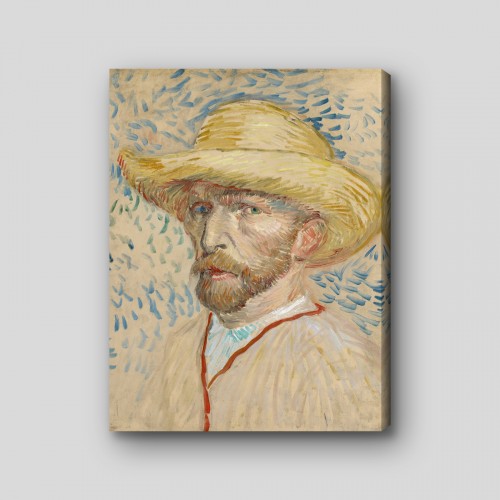
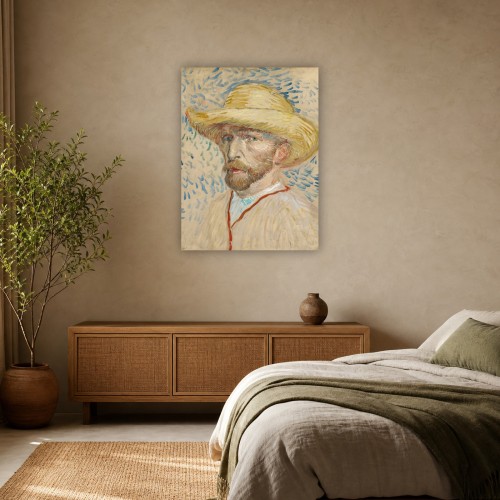
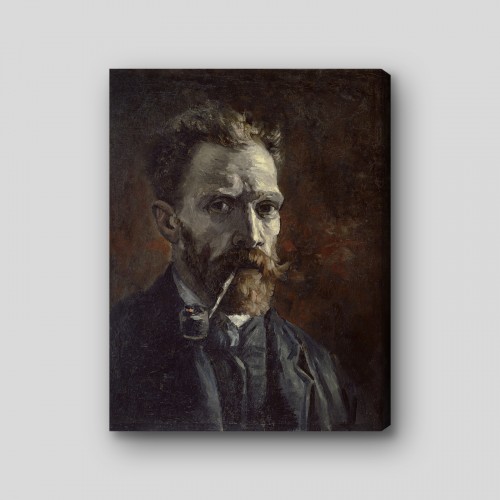
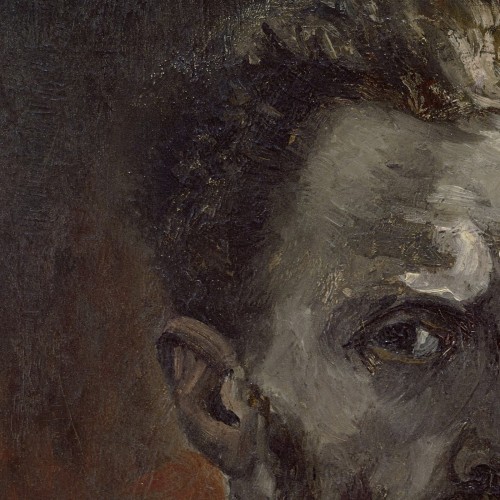
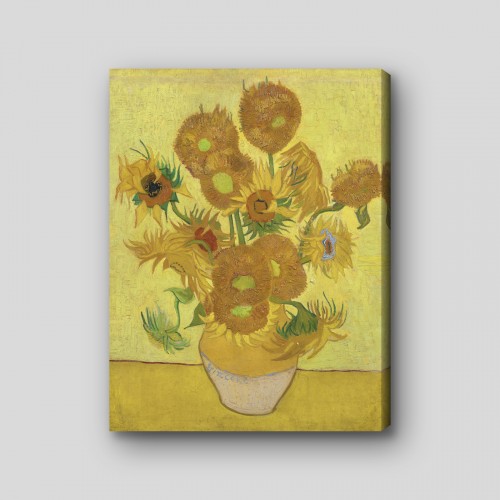
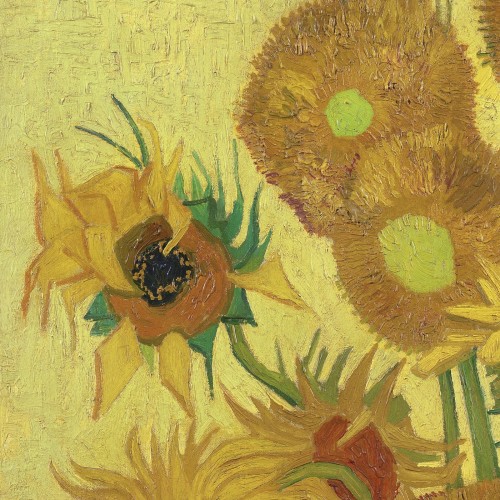
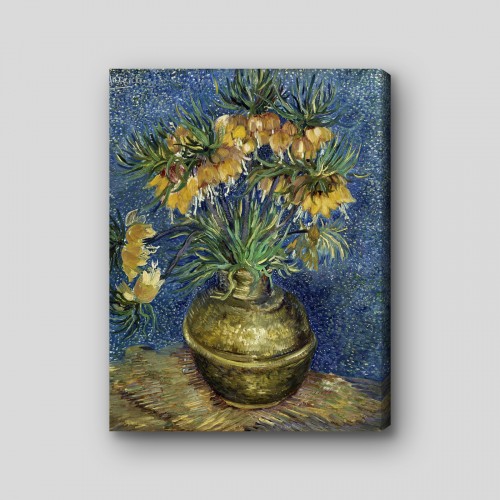
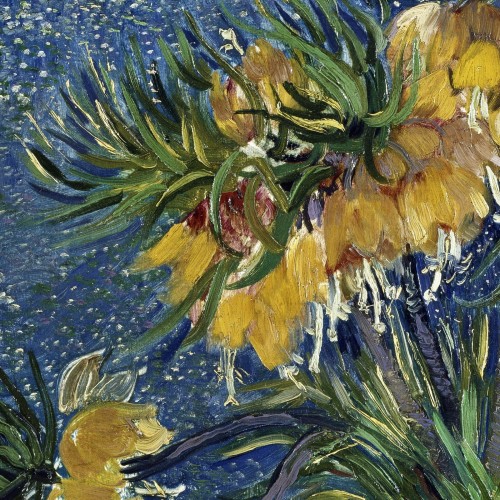
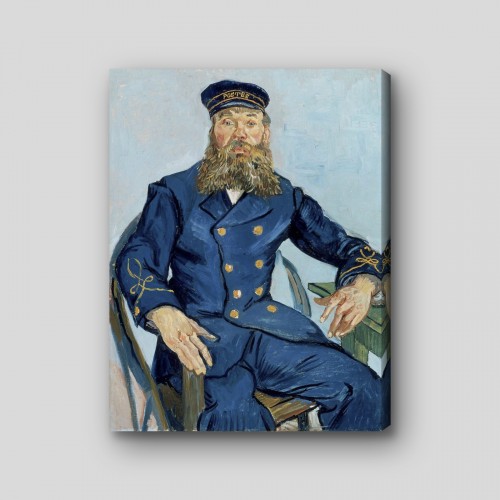
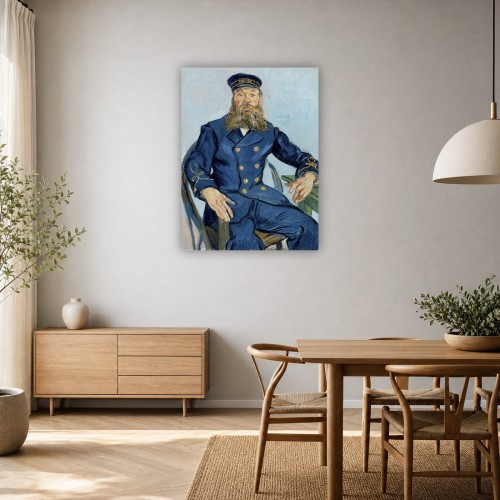
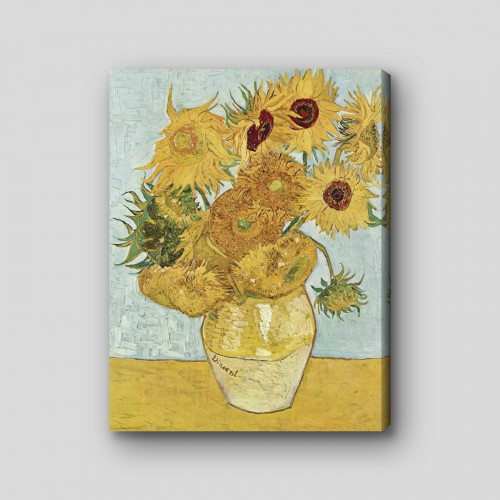
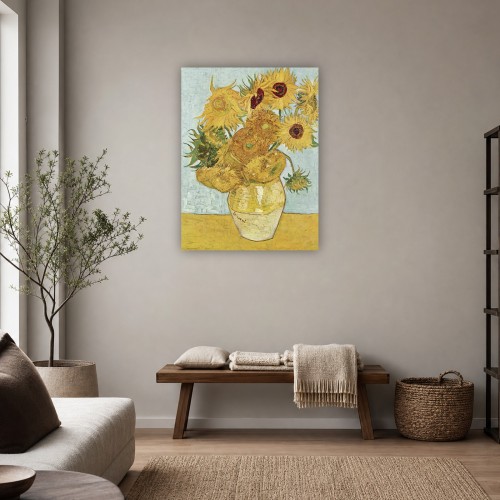
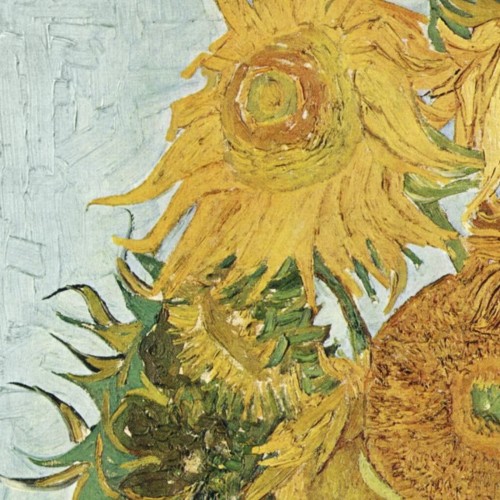
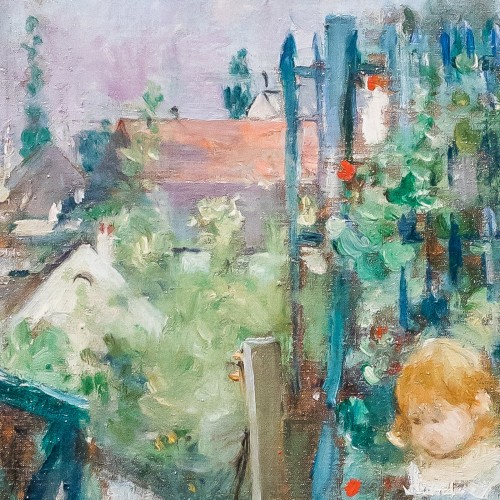
Post-Impressionism is where colour stopped behaving politely and brushstrokes began leaving fingerprints on the mood. Emerging after Impressionism, the movement gathered artists who cared less about a fleeting glance and more about structure, symbol, rhythm and the stubborn private weather of the mind. A village could tilt, a night sky could whirl, and an apple might seem to be contemplating philosophy. These canvas prints trace that unruly territory: bold planes, heightened hues and scenes that feel observed, remembered and slightly argued with all at once. Post-Impressionism does not settle into one tidy style; it is a lively family disagreement, held together by paint.
-

High Renaissance
High Renaissance gathers the cool confidence of late fifteenth- and early sixteenth-century Italian art, when balance became almost suspiciously effortless. Grand figures inhabit measured space, architecture behaves impeccably, and composition seems to have hidden a ruler beneath its toga. Associated with artists such as Leonardo da Vinci, Michelangelo and Raphael, the movement pursued harmony, convincing anatomy and a calm grandeur that could make even a crowded scene feel as orderly as a well-rehearsed celestial meeting. These canvas prints carry that poised drama: saints, scholars and mythic bodies arranged with remarkable gravity, while the occasional sideways glance suggests somebody still knows a joke.
-

Early Renaissance
Early Renaissance gathers the moment when medieval flatness began making room for measured space, solid bodies and a startling enthusiasm for perspective. Painters tested geometry as if the horizon had handed them a ruler, while tempera, fresco and gold still carried echoes of older sacred worlds. Architecture, civic pride and newly attentive observation all join the conversation: faces gain weight, streets recede, and halos somehow coexist with convincing floors. The canvas prints in this category trace that lively experiment, where paintings learned to look through a window without entirely forgetting they were also glorious painted surfaces.
-

Expressionism
Expressionism gives feeling the steering wheel and lets reality ride in the back, occasionally protesting at sharp corners. Emerging in the early 20th century, the movement bends colour, line and perspective toward inner weather: anxiety, exhilaration, loneliness, heat, noise. Faces may turn mask-like, streets may tilt, and a sky is permitted to be far too blue if that is what the mood requires. This category gathers canvas prints shaped by that fierce visual language, from tense urban scenes to blazing landscapes and portraits that seem to be thinking loudly. Expressionism is not interested in behaving politely; it asks what the world feels like before it asks what it looks like.
-

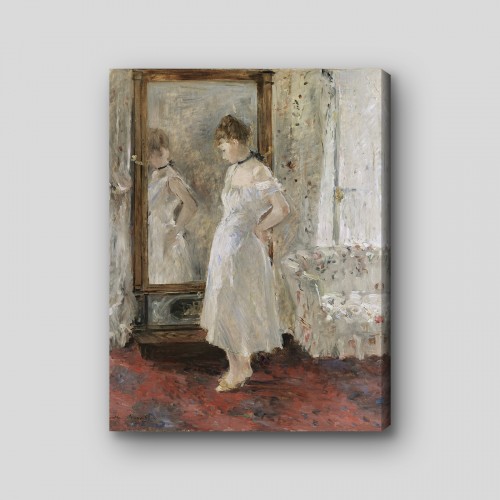
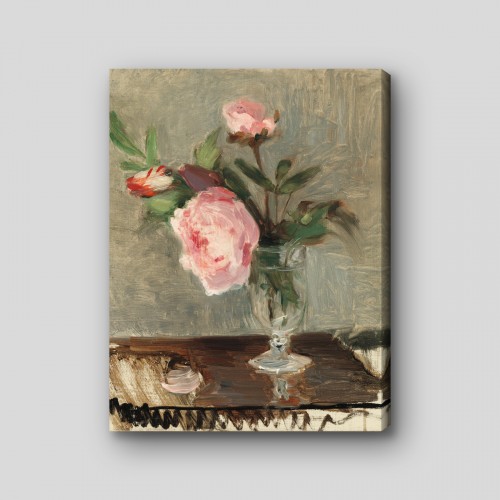
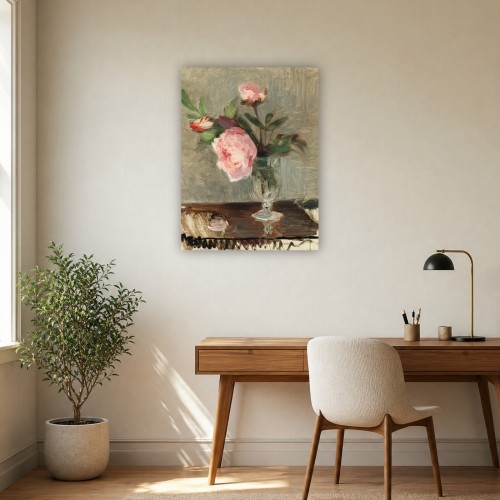
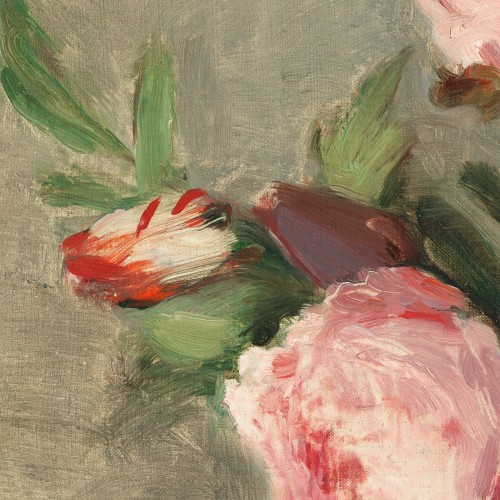
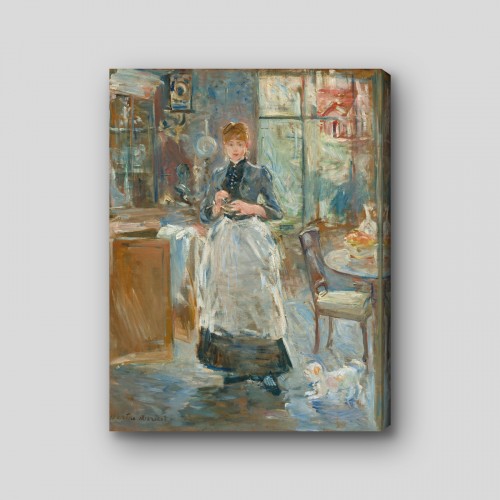
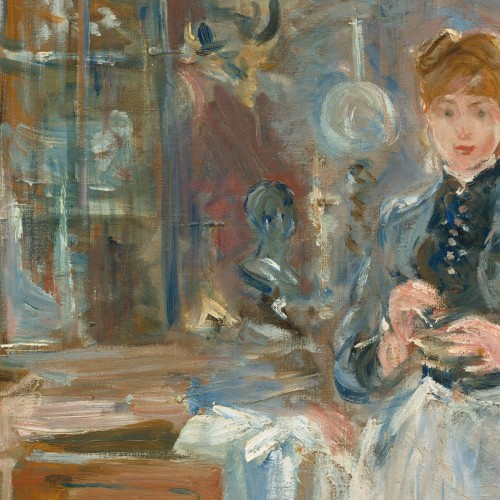
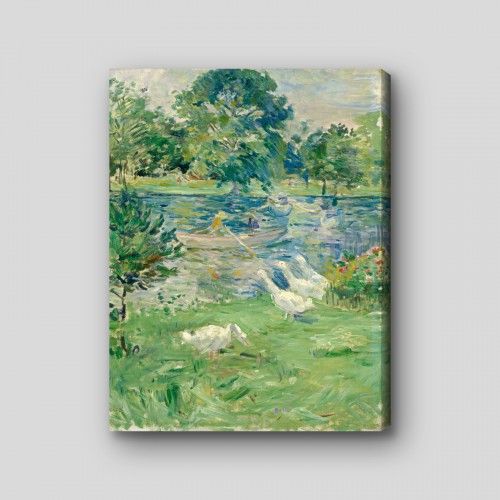
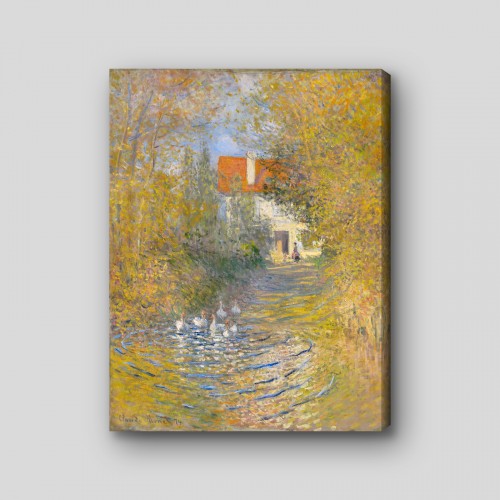
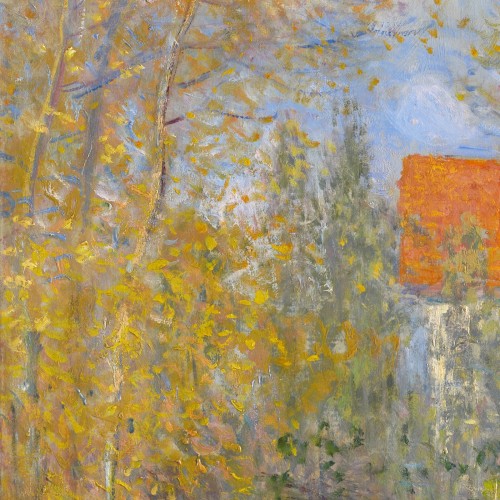
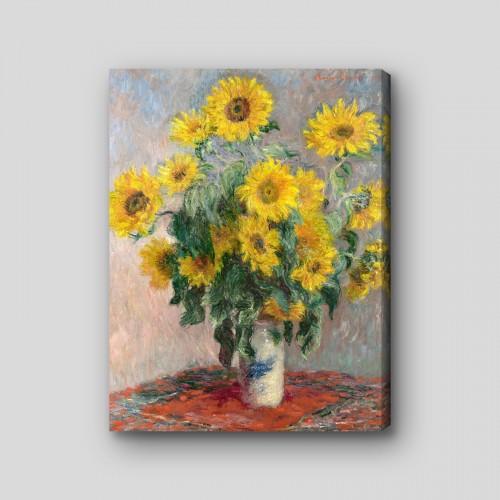
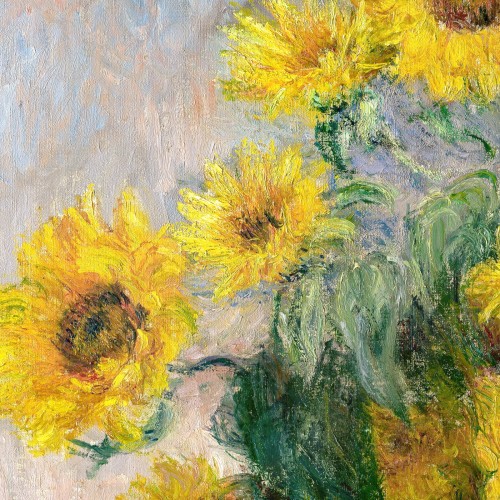
Impressionism
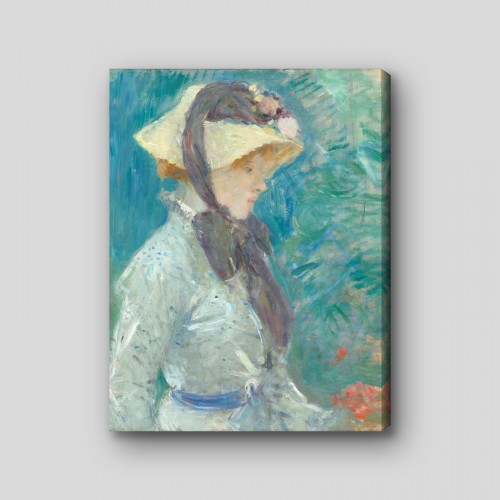
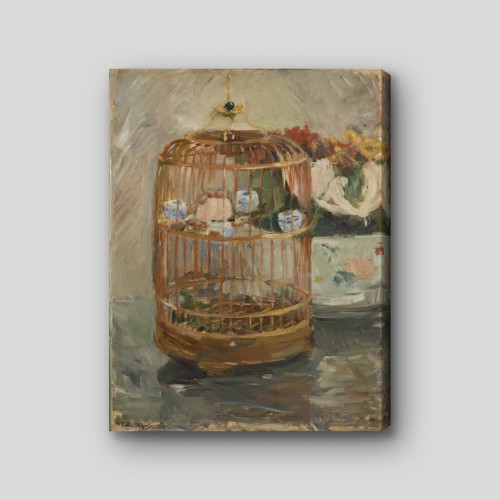
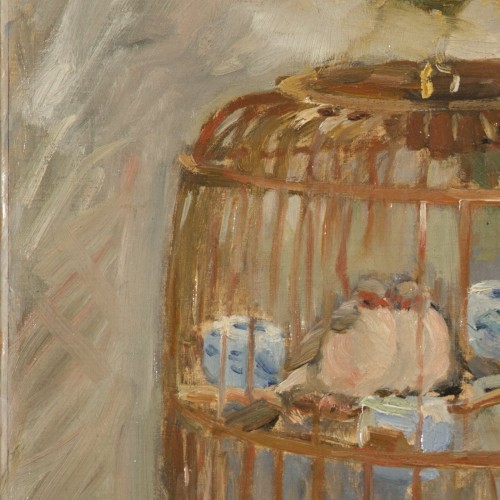
Impressionism catches the world while it is still wriggling: light trembles on water, smoke softens a railway station, and a garden refuses to hold still for its portrait. Born from painters who preferred the quick, visible sensation to polished academic certainty, the movement turned broken brushstrokes and bright colour into a kind of visual weather report. Its scenes often seem casual—boating, boulevards, dancers, breakfast—but the apparent ease is carefully arranged mischief. Canvas prints in this category preserve those flickering surfaces, where a few marks can become a face, a cloud, or an afternoon that has somehow escaped the clock.
-

Dutch Baroque
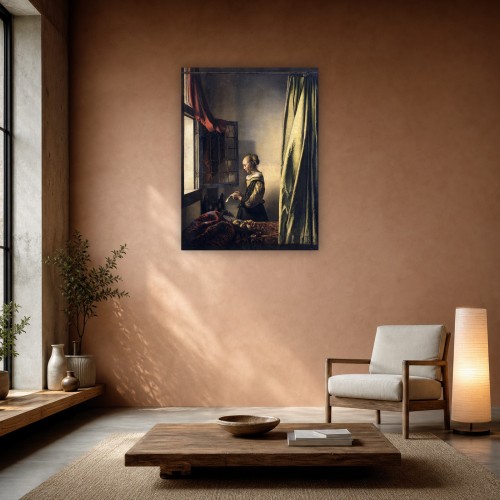
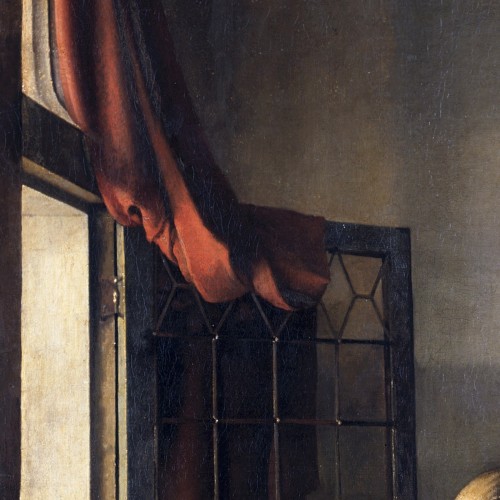
Dutch Baroque turns everyday life into theatre without requiring a royal staircase. Light slips across a pewter jug, a lemon peel coils like a tiny drama, and a quiet face can carry the weather of an entire century. In the seventeenth-century Netherlands, painters gave remarkable attention to domestic rooms, civic confidence, trade, faith and the occasional very persuasive herring. Portraits, still lifes, landscapes and genre scenes balance close observation with carefully staged meaning: that skull is rarely just having a rest. canvas prints in this category preserve the deep shadows, luminous surfaces and sly visual details that make Dutch Baroque feel both grand and wonderfully nosy.
-

Viennese Secession
The Viennese Secession broke with academic tradition in 1897 and promptly gave rebellion excellent typography. Geometry, gilded ornament, flattened figures and curling plant forms share the stage, often with the calm precision of a very elegant manifesto. Gustav Klimt became its most famous figure, but the movement also embraced architecture, graphic design and the idea that art should not be fenced into tidy departments. These canvas prints reflect a style poised between symbolism and modernism: decorative yet cerebral, luxurious yet oddly disciplined, as if every golden spiral had attended a committee meeting before being allowed to shimmer.
-

Ukiyo-E
Ukiyo-E turns the “floating world” of Edo-period Japan into crisp contours, flat color and wonderfully decisive weather. Actors strike poses, courtesans command the frame, travelers trudge beneath enormous skies, and waves behave as if auditioning for the lead role. Made famous through woodblock printing, the movement joined artists, carvers and printers in a remarkably collaborative process. Its bold cropping and rhythmic lines later startled European artists, who borrowed the shock with varying degrees of politeness. In canvas prints, these lucid compositions retain their visual snap: a whole drama can hinge on a sleeve, a bridge or one particularly opinionated cloud.
-

Art Nouveau
Art Nouveau lets nature redesign almost everything, apparently after giving vines, lilies and dragonflies a ruler and then politely taking it away. Emerging around the turn of the twentieth century, the movement favours flowing lines, decorative rhythm, elegant figures and ornaments that seem determined to keep growing beyond their borders. In canvas prints, its theatrical curves and botanical patterns retain the strange balance between refinement and exuberance: part garden, part architecture, part very sophisticated daydream. Even the lettering often joins the choreography, bending as if straight lines were a regrettable administrative error.
-

Symbolism
Symbolism traded plain appearances for dreams, omens and private mythologies. Emerging in the late nineteenth century, the movement treated visible reality as a curtain with something stranger breathing behind it. Moonlit figures, sacred beasts, flowers, angels and unsettling silences became clues rather than explanations. In Symbolist canvas prints, colour often behaves like a mood, while familiar objects acquire suspiciously active inner lives. A landscape may be a state of mind; a woman may be an idea; a peacock is rarely just doing ordinary peacock business. The result is art that whispers, hints and occasionally stares back.
Active filters
- Size: 508 × 711 mm