
-

Animals
Animals are basically nature’s oldest celebrities, except most of them never asked for the attention. Horses manage to look heroic while eating grass, cats behave like landlords in fur coats, and birds can turn a plain branch into a dramatic stage entrance. People read feelings into animals all the time: loyalty, freedom, danger, laziness, elegance, chaos. Maybe that is why they work so well on walls. They are familiar, but never completely human. Even as canvas prints, animals still seem like they might blink first.
-

Nature
Nature does not really do minimalism. It stacks clouds on mountains, throws fog into forests, paints rivers with moving light, and then adds one unnecessary but perfect tree in the corner. Humans go outside to escape their own thoughts, then come home and try to hang that feeling on the wall. A forest path can look peaceful or slightly suspicious, depending on the shadows. A quiet lake can feel like meditation or a place where a myth is hiding. Nature canvas prints borrow that strange calm without bringing mud into the room.
-

Quotes
Quotes are strange little machines: a few words lined up correctly can behave like advice, sarcasm, comfort, warning, joke, or personal law. Some sound wise because they are wise. Others sound wise because they are short and centered nicely. Typography gives language a face; a serious serif whispers, a bold sans-serif points at the table, and handwritten letters pretend to know the person reading them. Quote canvas prints turn sentences into objects, which is useful when a wall needs a thought instead of another landscape.
-

Paintings
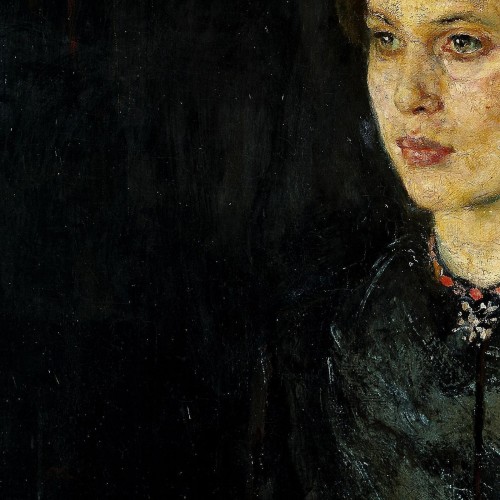
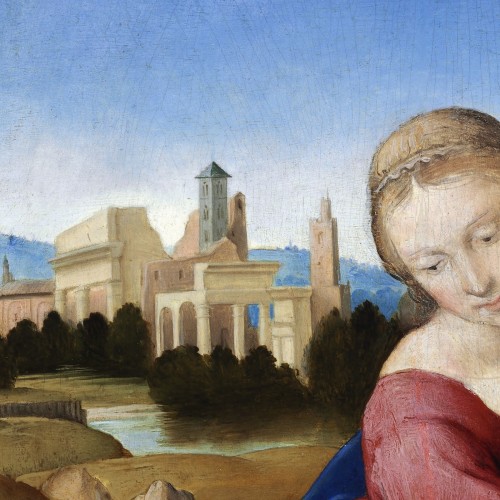
"Paintings" are humanity’s favorite way of freezing a moment while still letting it move in your head. Cave painters once mixed charcoal with animal fat; centuries later, artists argued about whether paint should be smooth as glass or thick enough to leave fingerprints. A painting can outlive its painter, survive fires, wars and bad taste, yet a single brushstroke can still start an art historian fight in the comments section. The funny part is that these fragile, carefully aged surfaces now travel the world as high-resolution scans and cheerful canvas prints, quietly teleporting museum walls into living rooms and offices.
-

Artists
Artists are people who can stare at an empty canvas for three hours and then confidently place one blue line exactly where nobody else would have thought to put it. Some chased royal commissions, some painted in freezing attics, and some became famous only after death, which is arguably the worst possible timing for a career breakthrough. Painters have used everything from crushed minerals and egg yolk to toxic pigments that probably made the studio experience more exciting than intended. Their job has never been just to copy reality, but to exaggerate it, question it, beautify it or occasionally make it deeply uncomfortable. Centuries later, their ideas still escape museums through books, screens and canvas prints.
Active filters
- Size: 305 × 457 mm
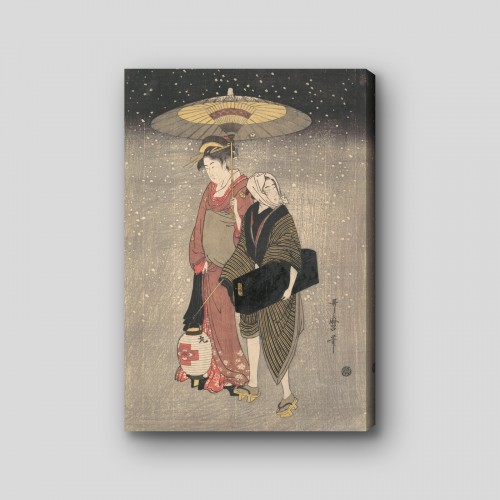
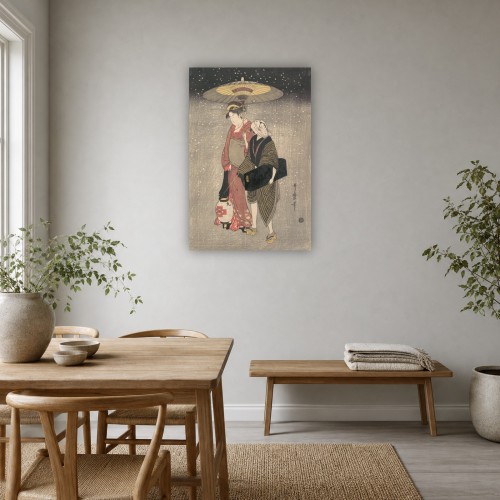
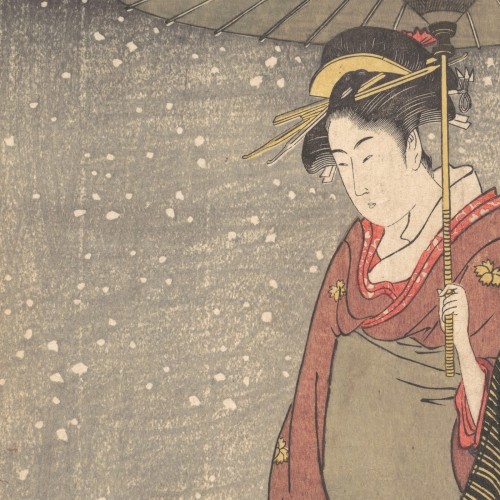


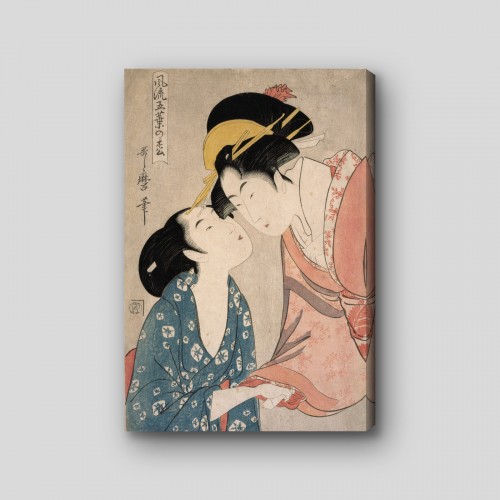
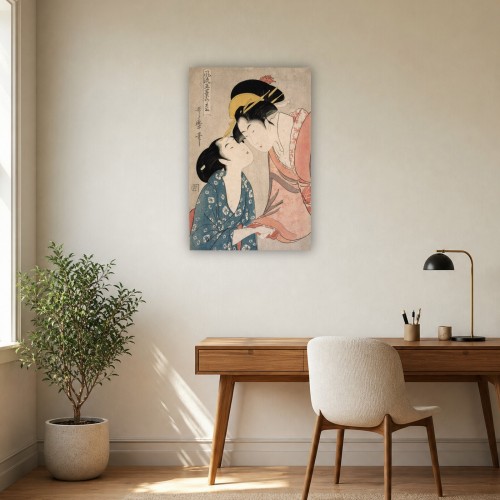
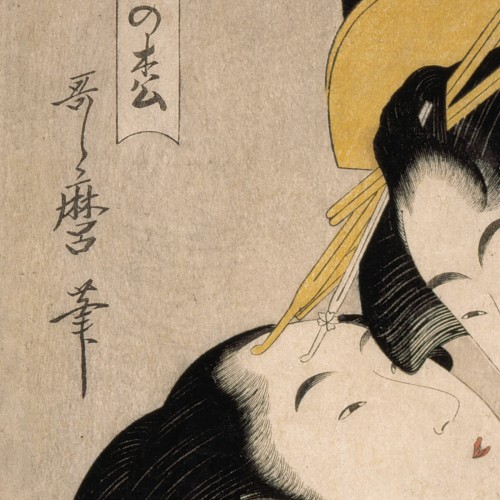
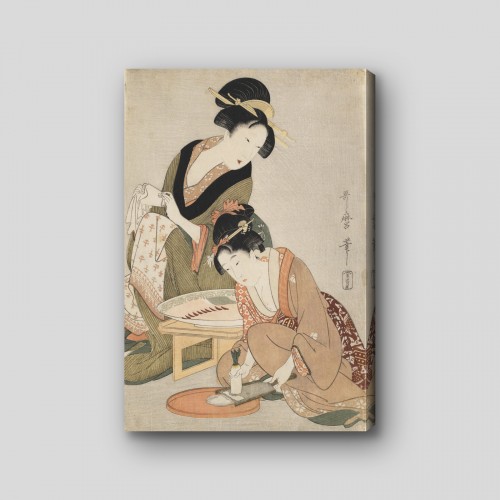
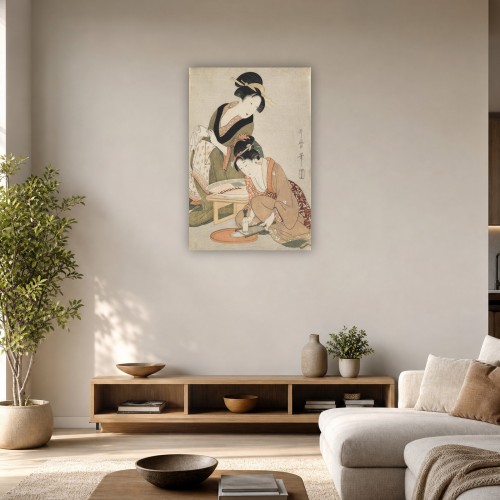
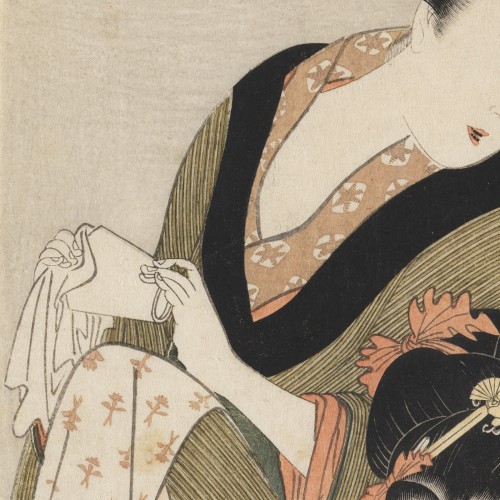
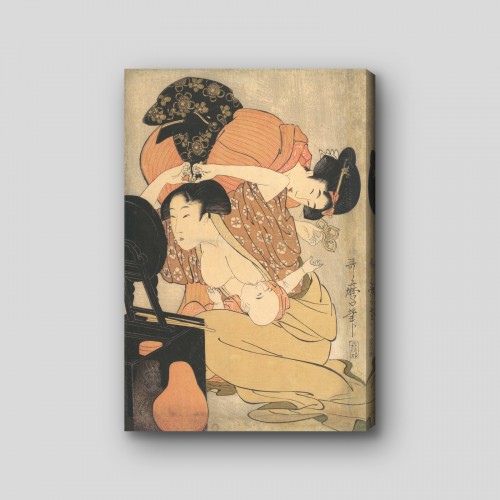
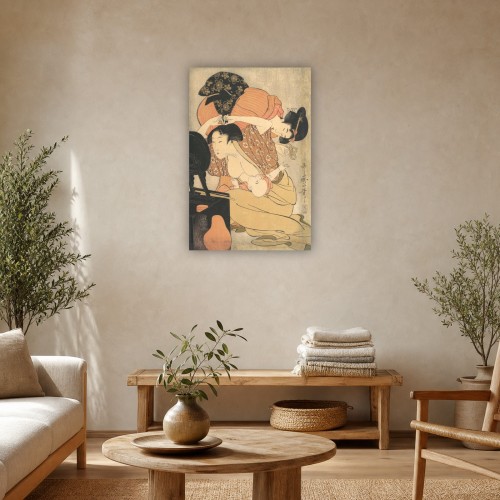
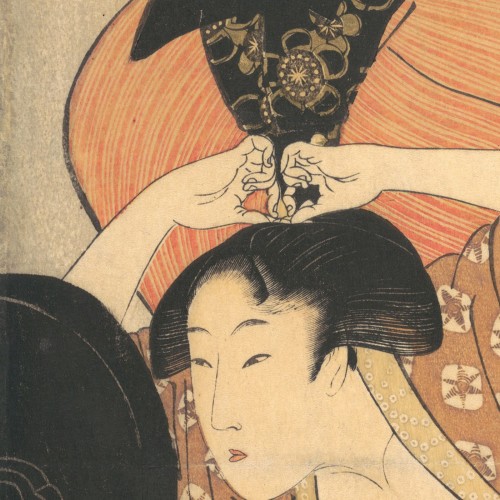
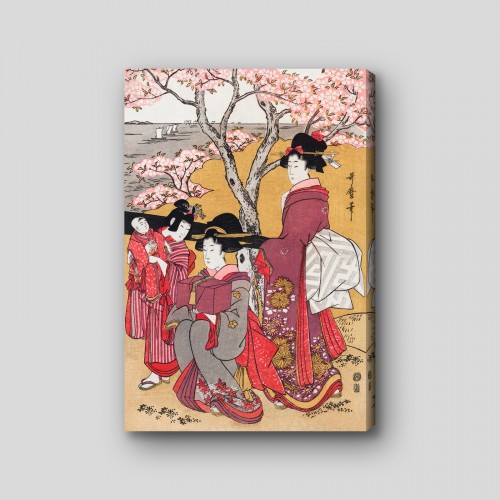
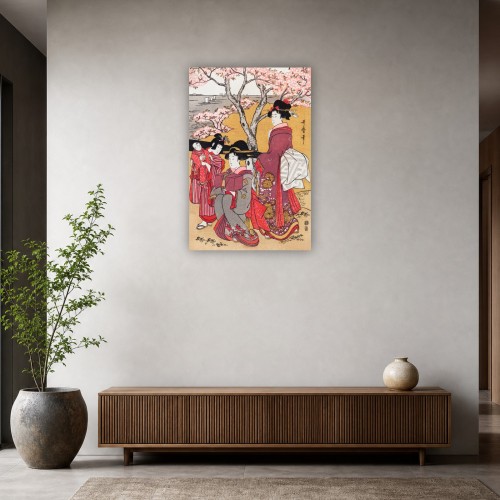
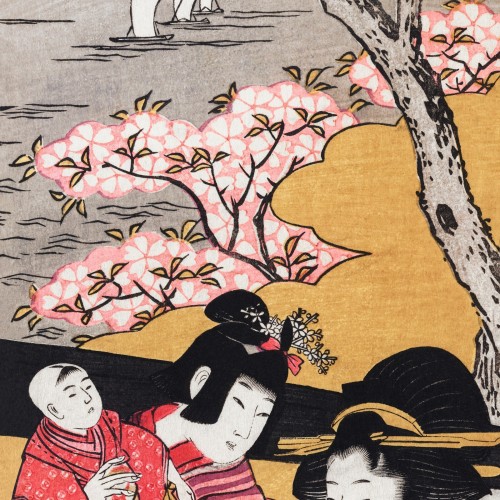
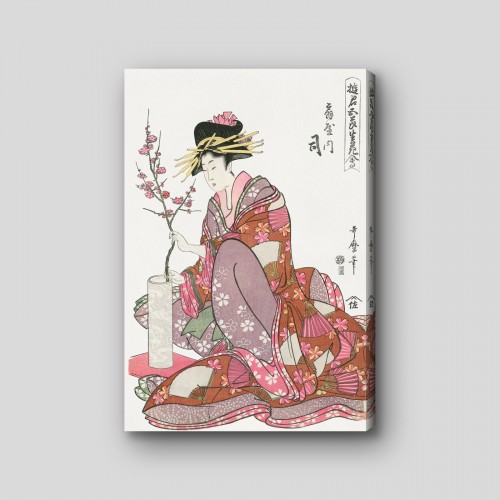
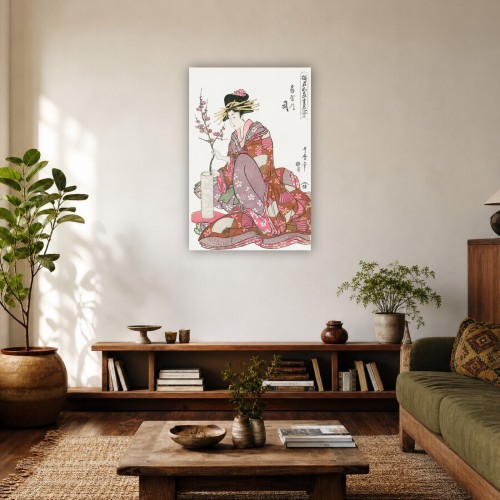
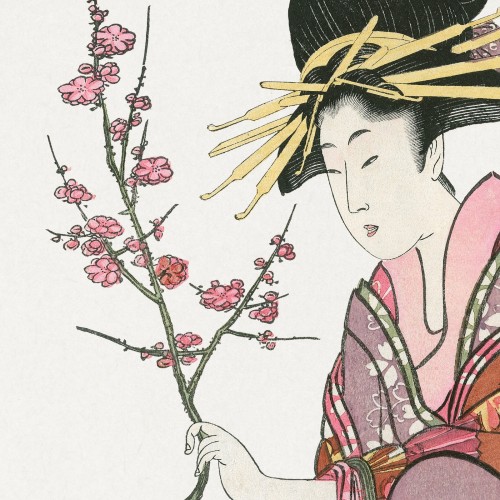


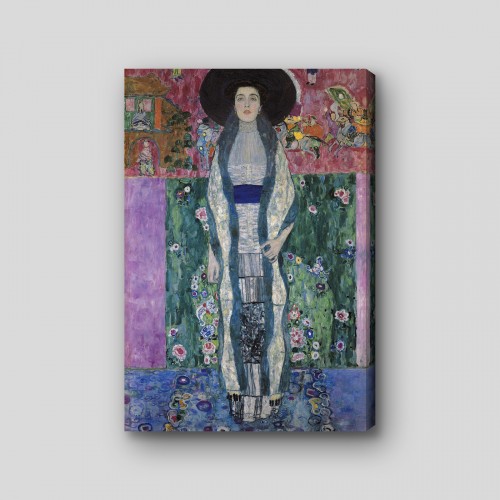
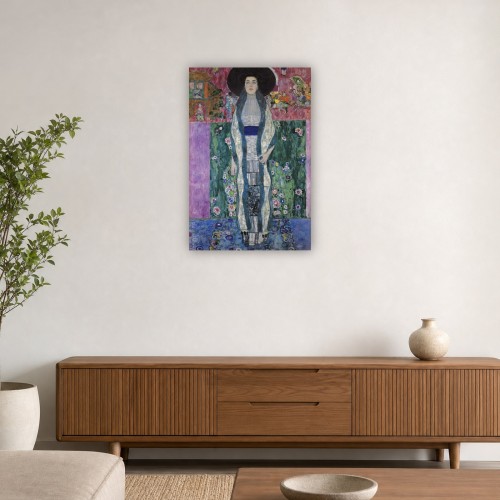
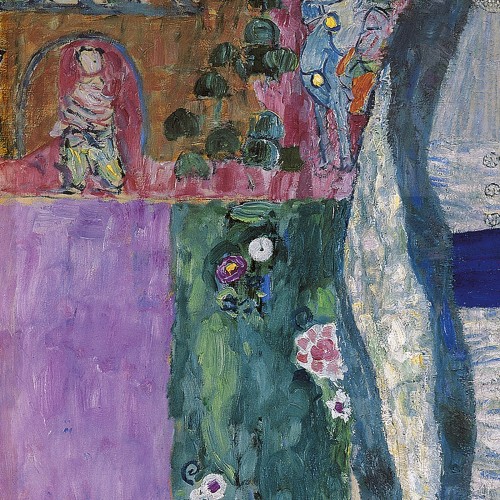
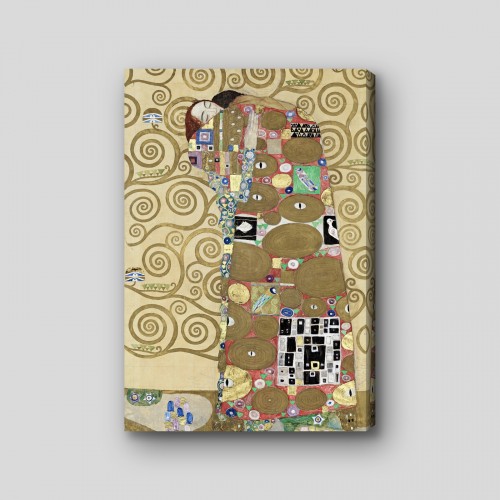
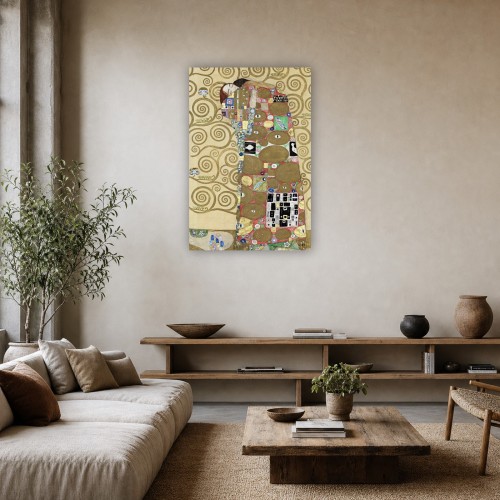
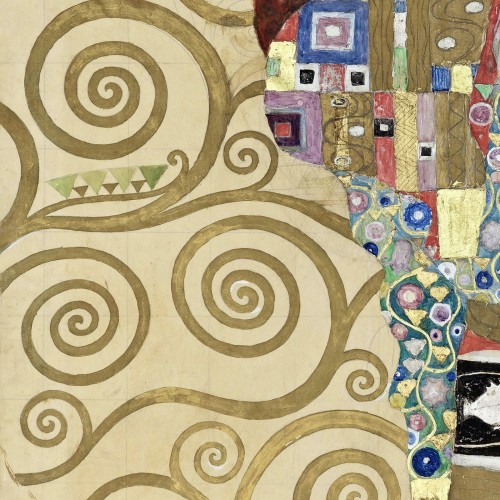
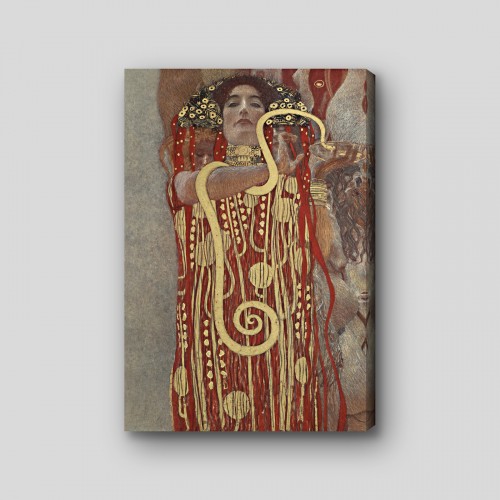

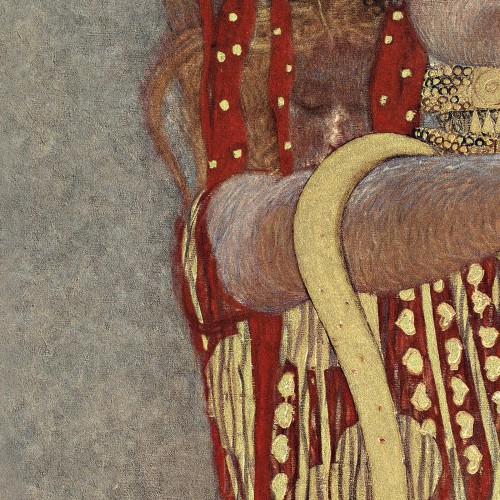
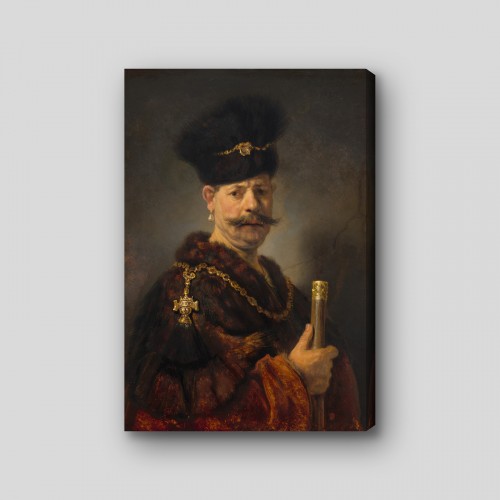
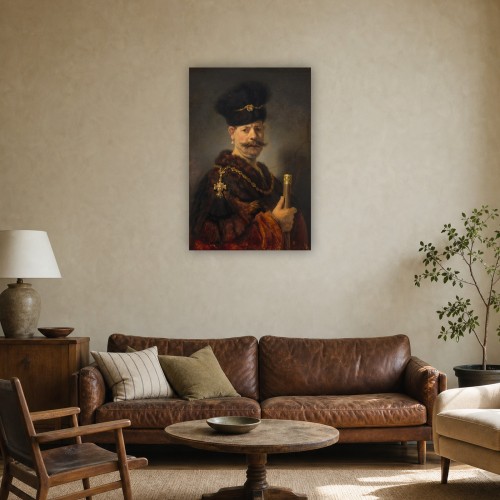
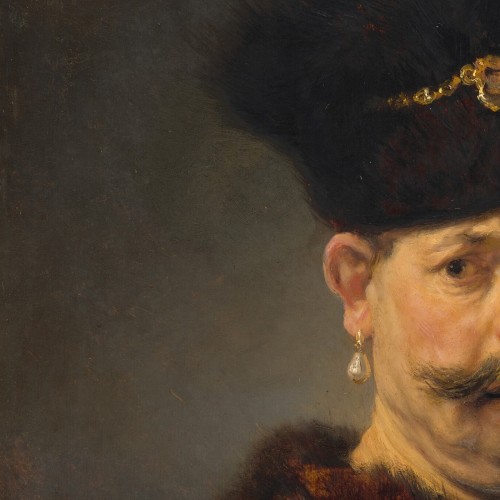


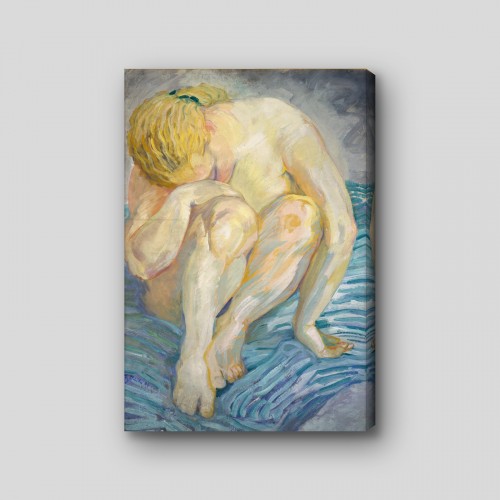
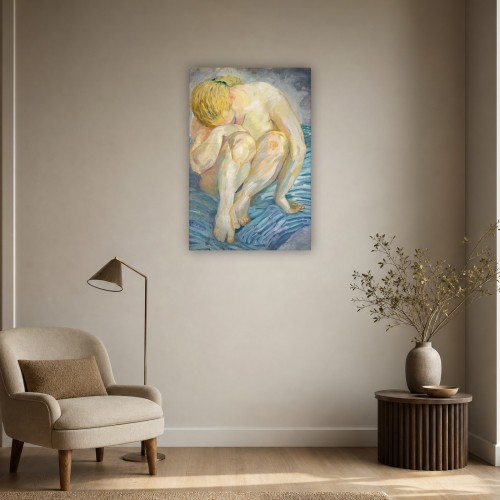
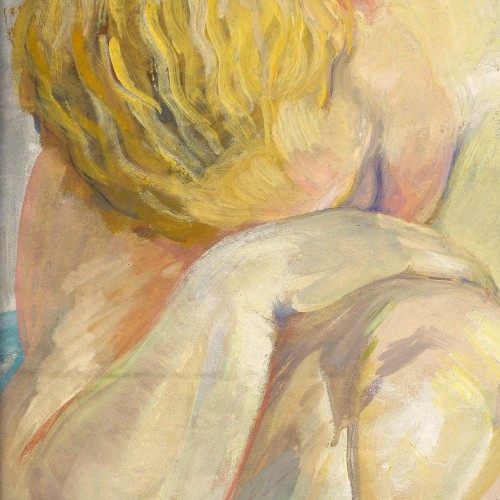
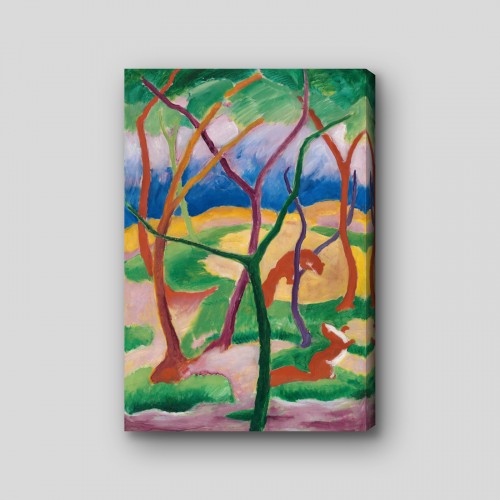
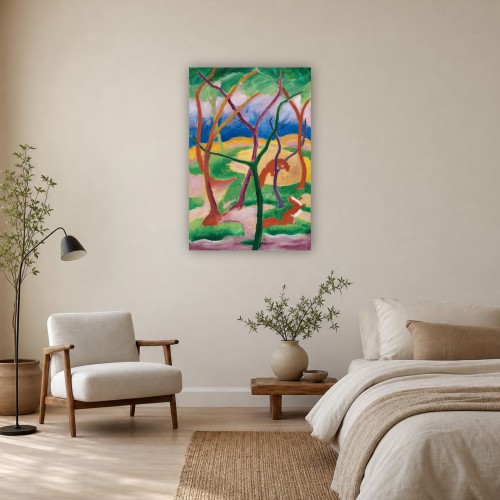
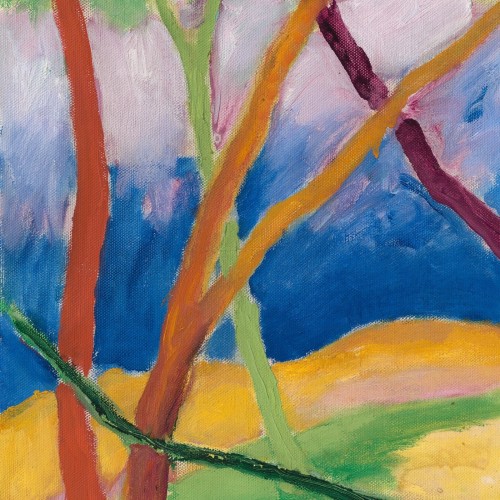
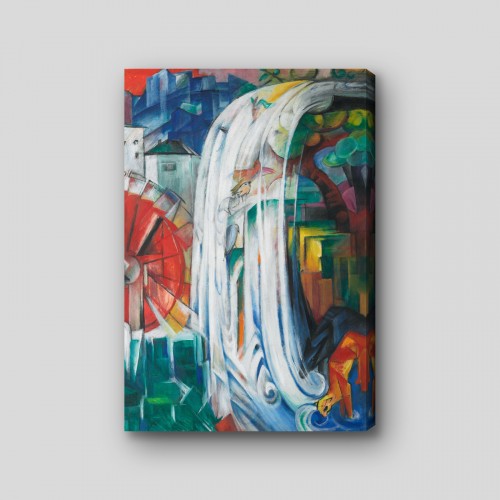
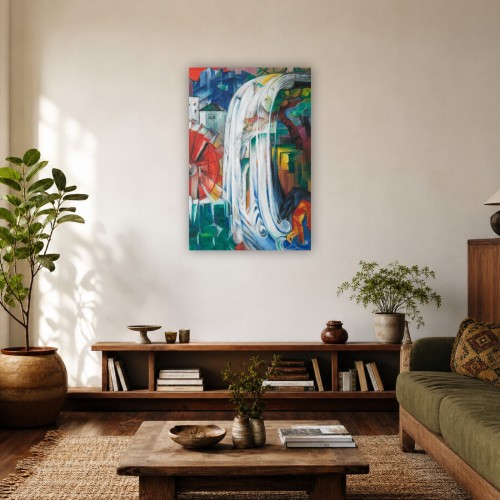
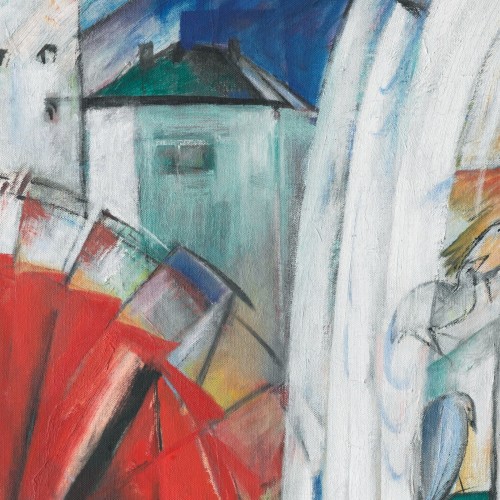
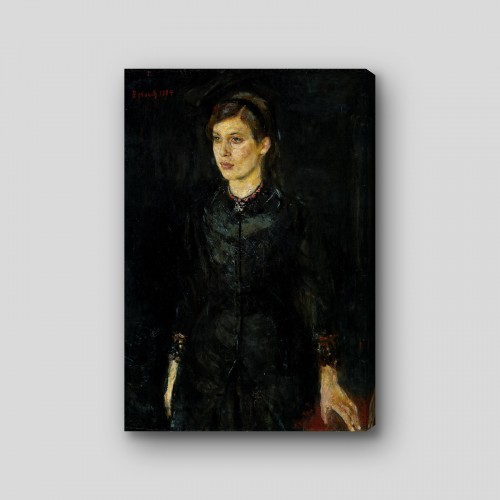
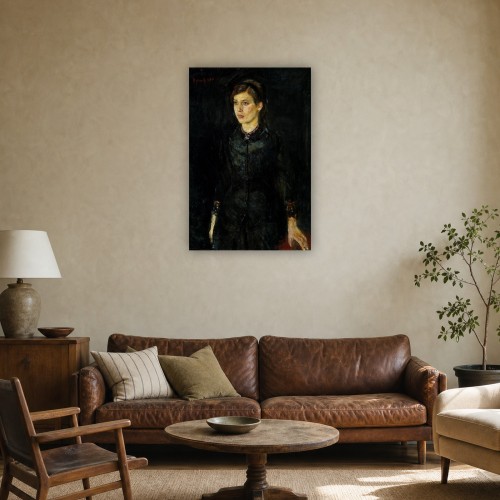
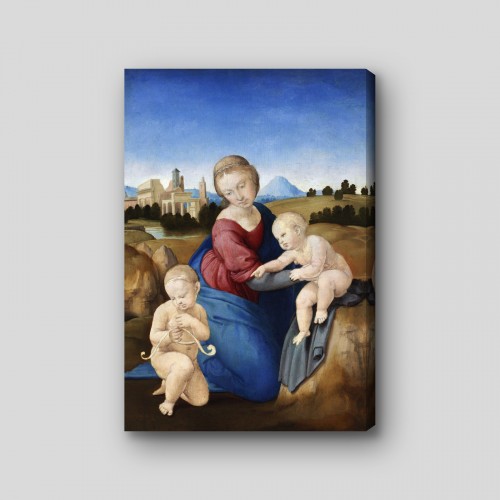
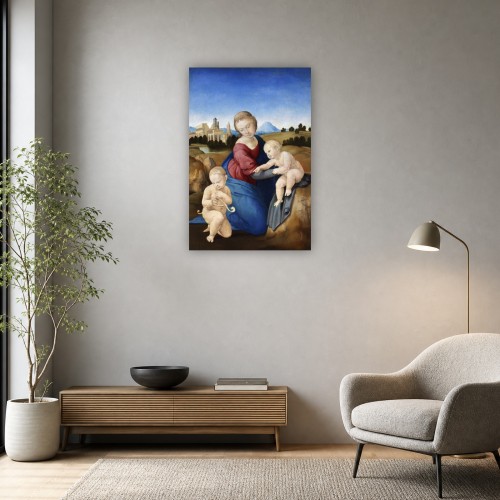
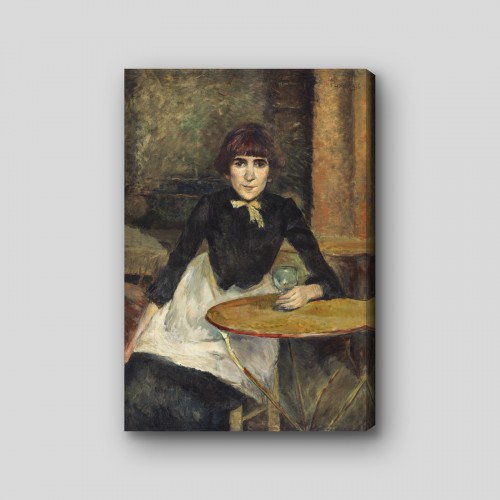
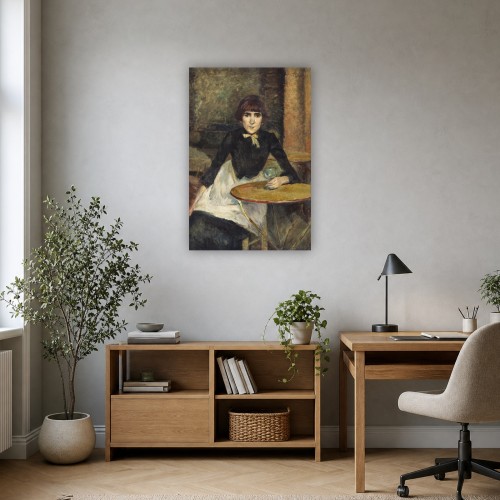
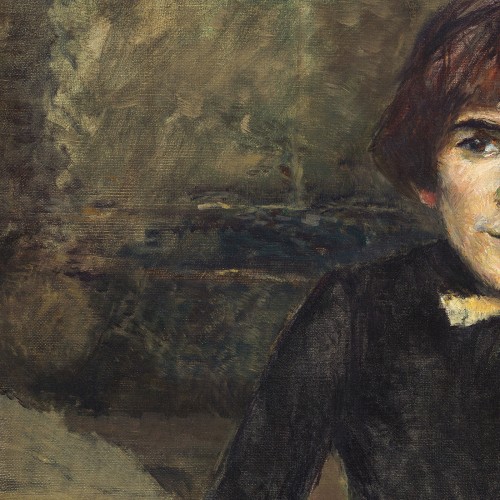
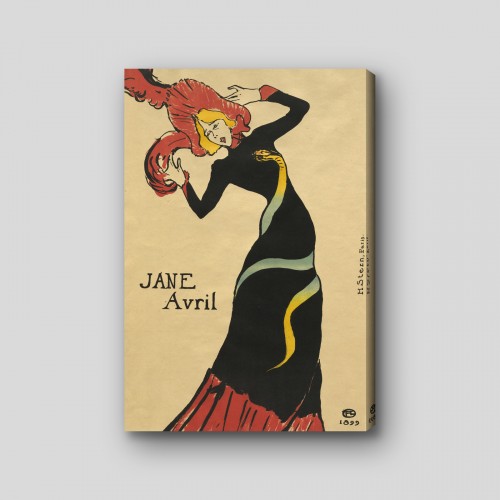
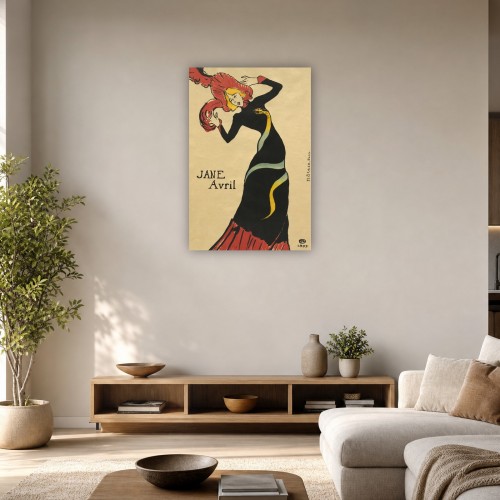
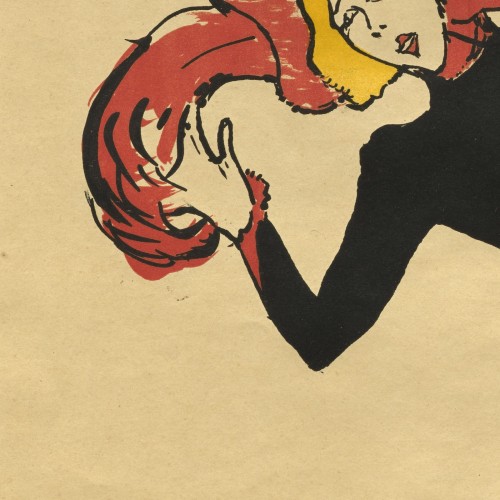
| Canvas is where ink meets texture — art printed on canvas fabric, stretched over a wooden frame, and worthy of hanging even in a museum | |
|---|---|
| Material | High-quality textured canvas fabric made from polyester and cotton, stretched over a durable wooden frame |
| Properties | The material does not reflect light and is resistant to fading |
| Printing technology | High-quality colour printing on canvas fabric |
| Inner frame material | Durable wood |
| Inner frame thickness | 3.2 cm |
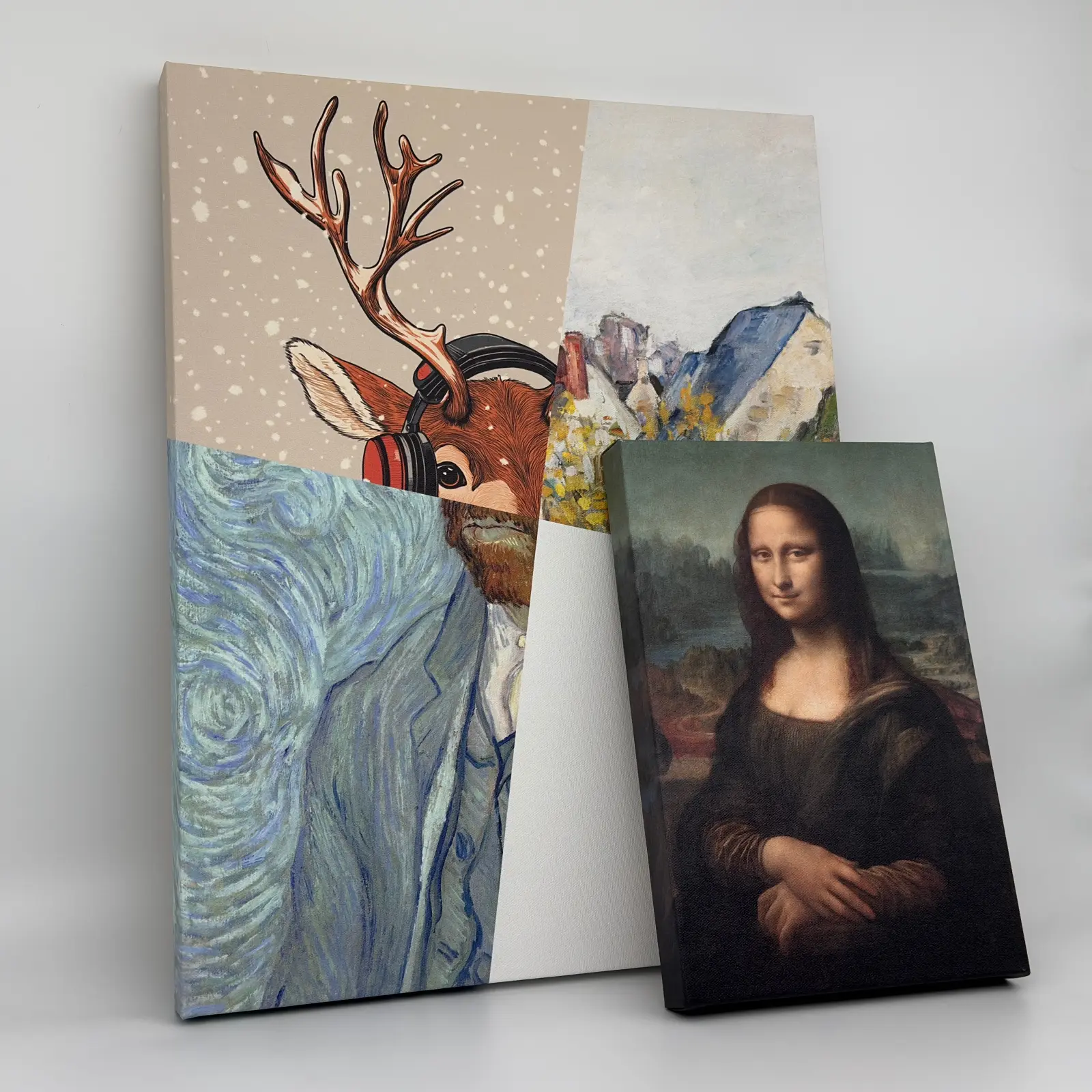
Crafts